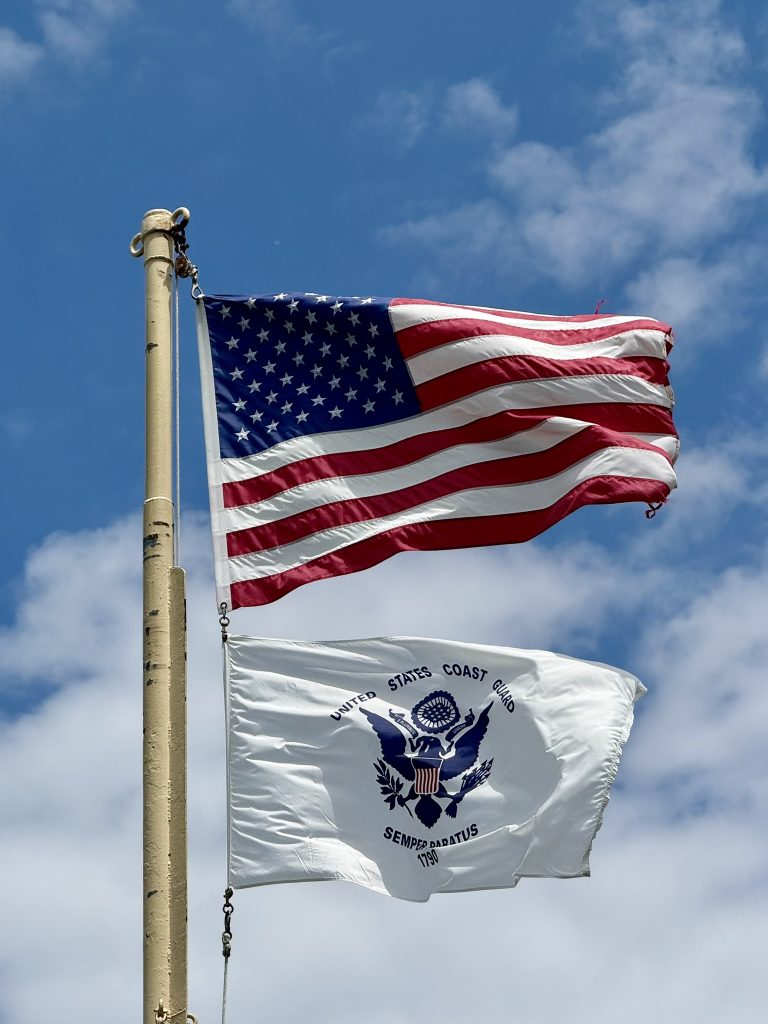
1790 – Born of Necessity
In the early days of the American republic, the young nation faced a serious problem: smuggling was draining its revenue. To combat this, Alexander Hamilton proposed a fleet of cutters to patrol the coast and enforce tariff laws. On August 4, 1790, Congress approved the creation of the Revenue Marine, later known as the Revenue Cutter Service—the earliest ancestor of today’s Coast Guard.
These cutters weren’t just tax enforcers. They chased pirates, rescued stranded sailors, and even intercepted slave ships. For nearly a decade, they were the only naval force protecting U.S. waters.
1915 – A New Identity
Fast forward to 1915, when Congress merged the Revenue Cutter Service with the Life-Saving Service, forming the United States Coast Guard. This new organization combined law enforcement with humanitarian rescue missions—a dual identity that remains its hallmark today.
Expanding the Mission
The Coast Guard’s responsibilities grew rapidly:
- In 1939, it absorbed the Lighthouse Service, taking charge of America’s beacons and buoys.
- In 1946, it took over the Bureau of Marine Inspection and Navigation, overseeing merchant vessel safety and licensing.
- By 1967, it had moved to the Department of Transportation, reflecting its growing civil role.
As Guardians of the Sea the Coast Guard used lightships like our Overfalls
Not all hazards could be marked by lighthouses—some waters were too deep or remote. Enter the lightship: a floating lighthouse anchored offshore to warn mariners of dangerous shoals, reefs, and harbor entrances. The Coast Guard maintained these floating sentinels until they were gradually replaced by automated buoys and modern navigation systems in 1985.
Wartime Service
Though often seen as a peacetime force, the Coast Guard has served in every major U.S. conflict. During wartime, it operates under the Department of the Navy, providing convoy escorts, beach landings, and port security. Its agility and versatility make it a vital military asset.
2003 – Homeland Security Era
After 9/11, the Coast Guard was transferred to the newly formed Department of Homeland Security in 2003. Its focus sharpened to include Counter terrorism, Port and coastal security, drug interdiction, and Environmental protection
Today, the Coast Guard is a military service, a law enforcement agency, and a lifesaving force. With over 40,000 active-duty personnel, it patrols more than 95,000 miles of U.S. coastline and responds to thousands of emergencies each year.
Its motto, Semper Paratus—“Always Ready” is more than a slogan. It’s a promise.
As a Family Member of the Coast Guard and one of the most celebrated survivors of the lightship era the Lightship Overfalls (Lightship #118), and its many supporters wish the United States Coast Guard Happy Birthday.